Professors of the Faculty of Business Economics and Entrepreneurship visiting the University of Nairobi as part of the Erasmus+ mobility program
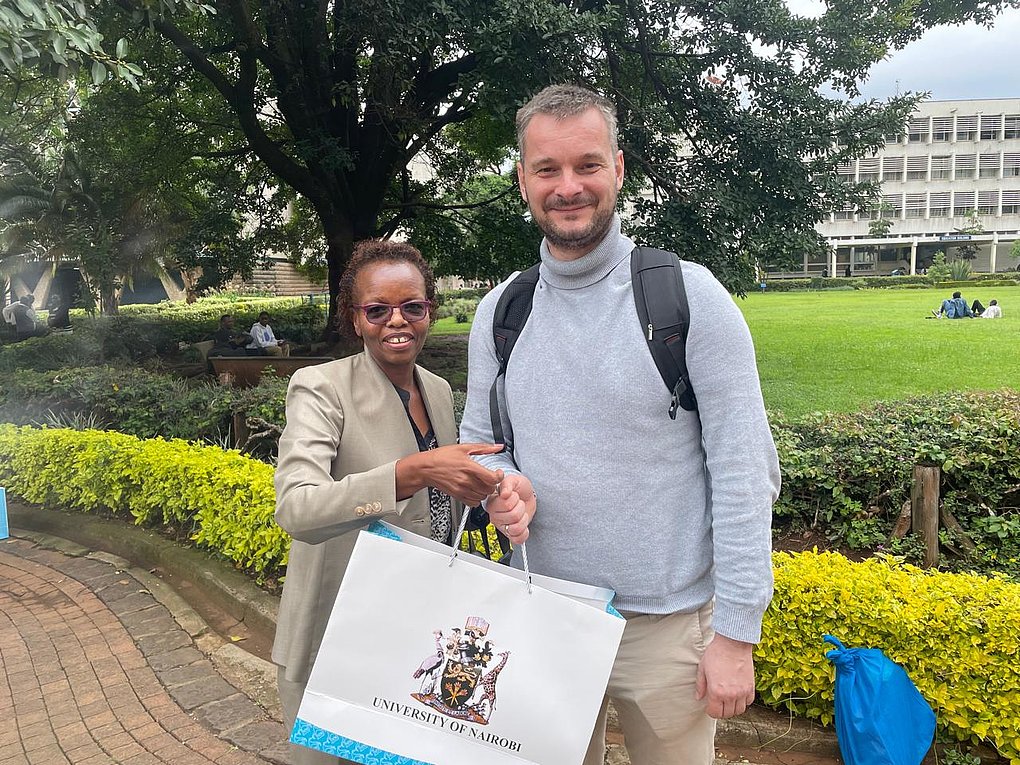
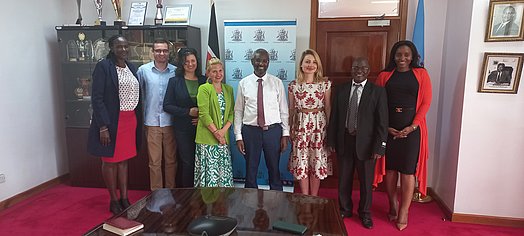
In the period from February 26 to March 3, 2026, a delegation from the Faculty of Business Economics and Entrepreneurship paid a working visit to the University of Nairobi. This visit was realized as part of the Erasmus+ mobility program of teaching staff, which additionally confirmed the strong partnership of our institution with one of the most reputable higher education institutions in East Africa. The thematic focus of the visit was on fast-growing technologies and their social impact, which caused an extremely high interest of the local academic community.
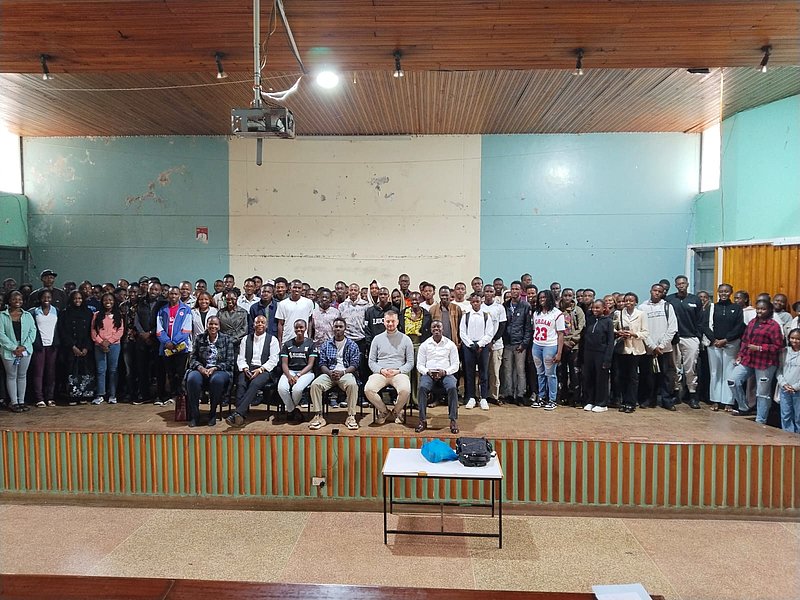
Assistant Professor Jovan Petronijević held a notable lecture on the intersection of artificial intelligence, prompt engineering and Kenya's technological future. How current and attractive this topic is for young experts in Africa is best shown by the fact that more than 150 students attended the presentation. Through a dynamic approach, the enormous potential of the African continent in the adaptation of new AI systems was highlighted, and the lecture served as an excellent platform for discussion on how advanced analytics and automation can accelerate local technological development.
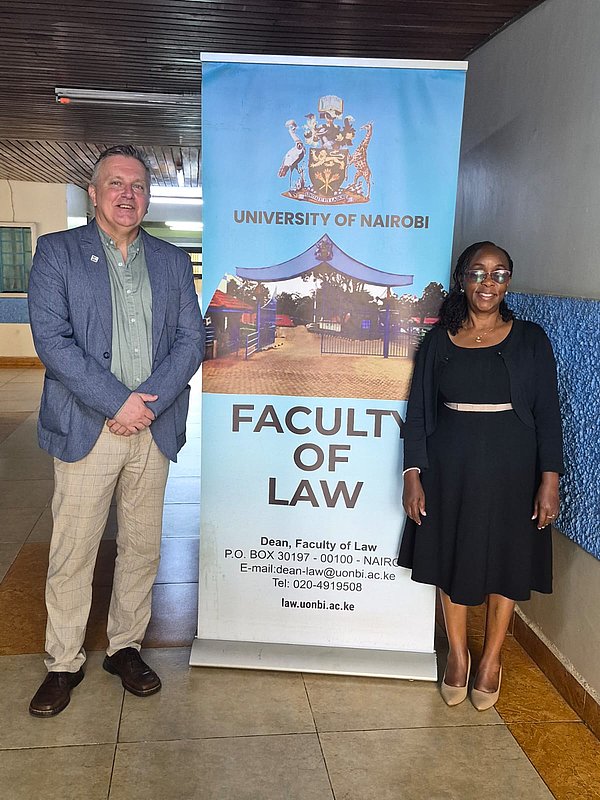
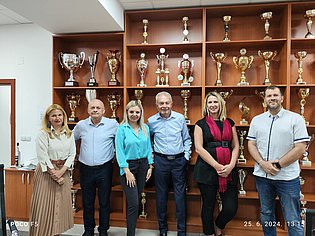
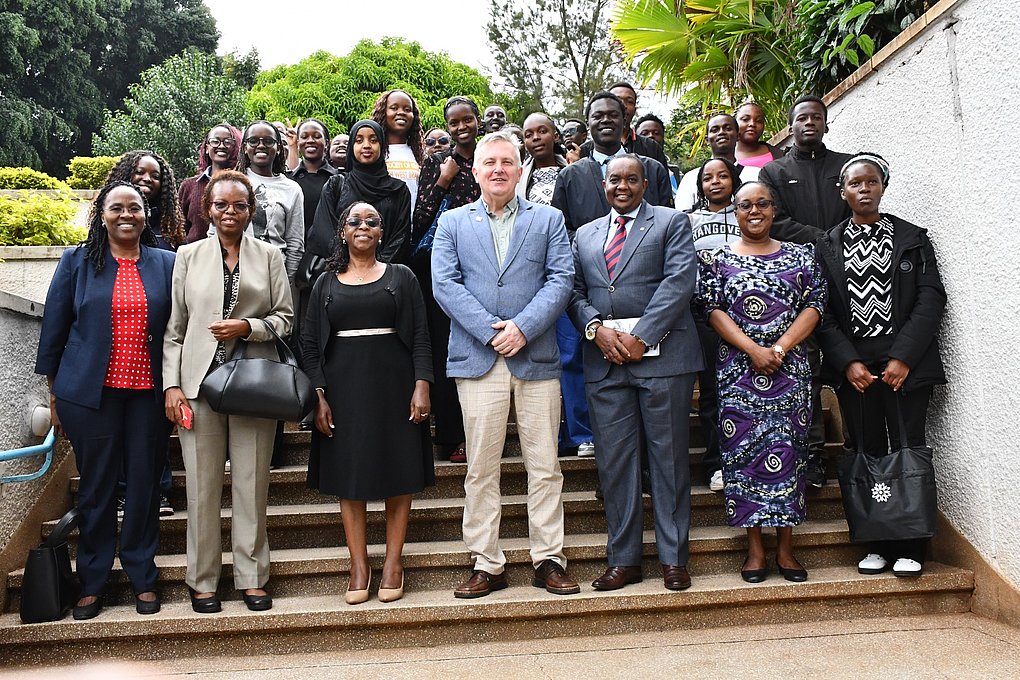
From a legal and regulatory perspective, Professor Rašević led a lecture, panel discussion and workshop on the growing legal regimes for artificial intelligence at the University of Nairobi's Faculty of Law. The event was attended by the dean of the faculty, prof. Dr. Winifred Kamau and Prof. Dr. Richard Mulwa, which clearly testifies to the high importance of this topic at the institutional level. Before the actual presentation, Professor Rašević discussed concrete steps for deepening cooperation between VŠPEP and the most eminent school for the education of lawyers in East Africa at the collegium of this prestigious institution.
The combination of technological vision and legal regulation proved to be extremely coordinated and effective during this visit. Such meetings not only position VŠPEP as a relevant actor in global academic trends, but also directly contribute to the development of an innovative curriculum that follows and anticipates the latest world trends.